

Before you make it · No. 5
Which matcha dessert fits tonight
A latte, glazed cookies, a two-layer cake, or tiramisu? We read named pages so you can see the clock, the tin of matcha, and what each cook says can go wrong before you shop.
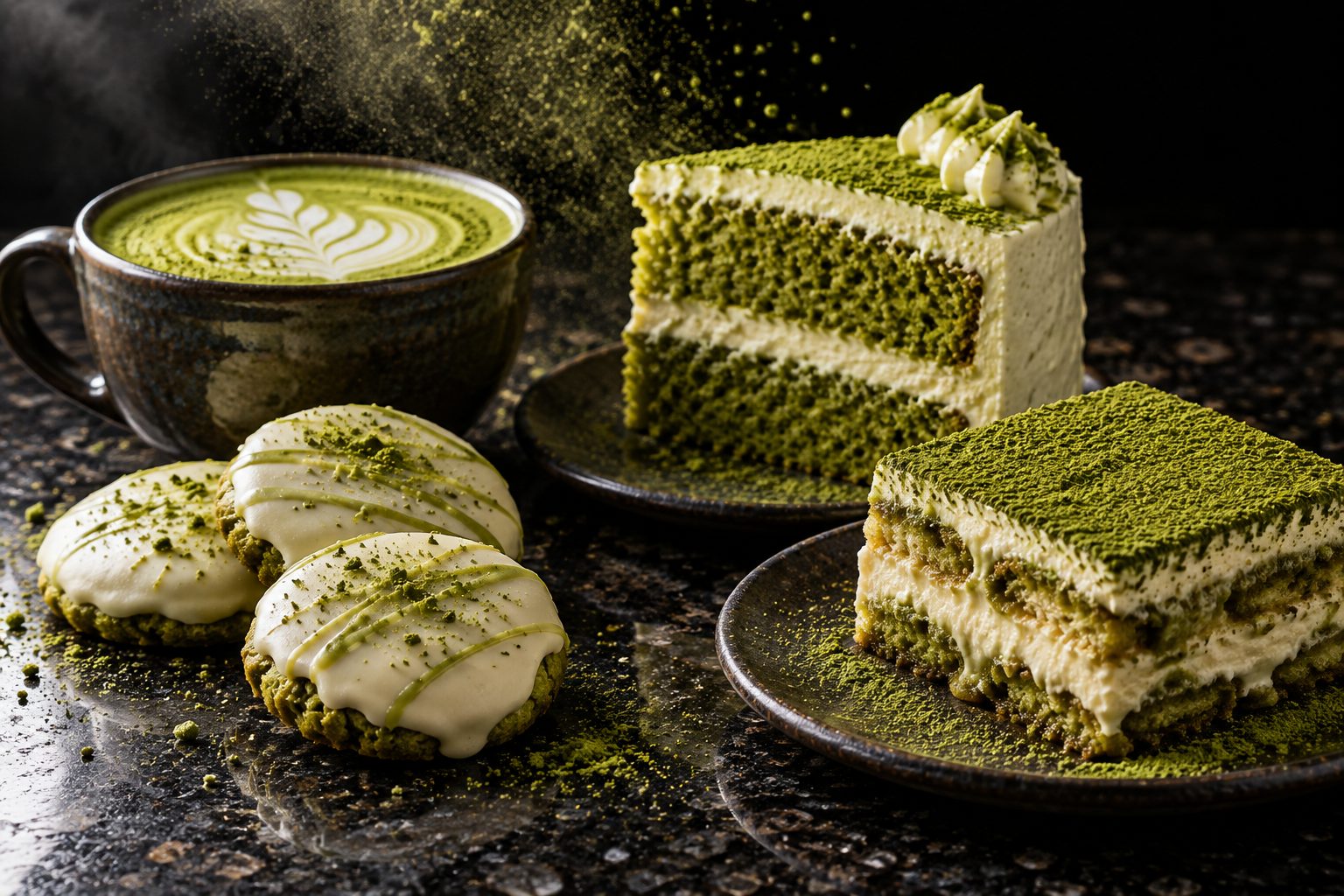
Say you want a matcha dessert for people eating tonight. You bake occasionally, you have a home oven, and a tin of matcha is already in the cupboard. You are not sure the tin is the one the recipe wants, or whether the dessert fits the evening.
We read a two-layer cake, a tiramisu, glazed cookies, and two official matcha lattes that do not match each other. We pulled out the clock, the matcha each page asks for, and what each one says can go wrong. We have not made these. Everything practical below comes from the named page and is linked, so you can check it. Cook from the page you choose. The films are visual inspiration, not a kitchen test.
At a glance
How each recipe fits this plan
-
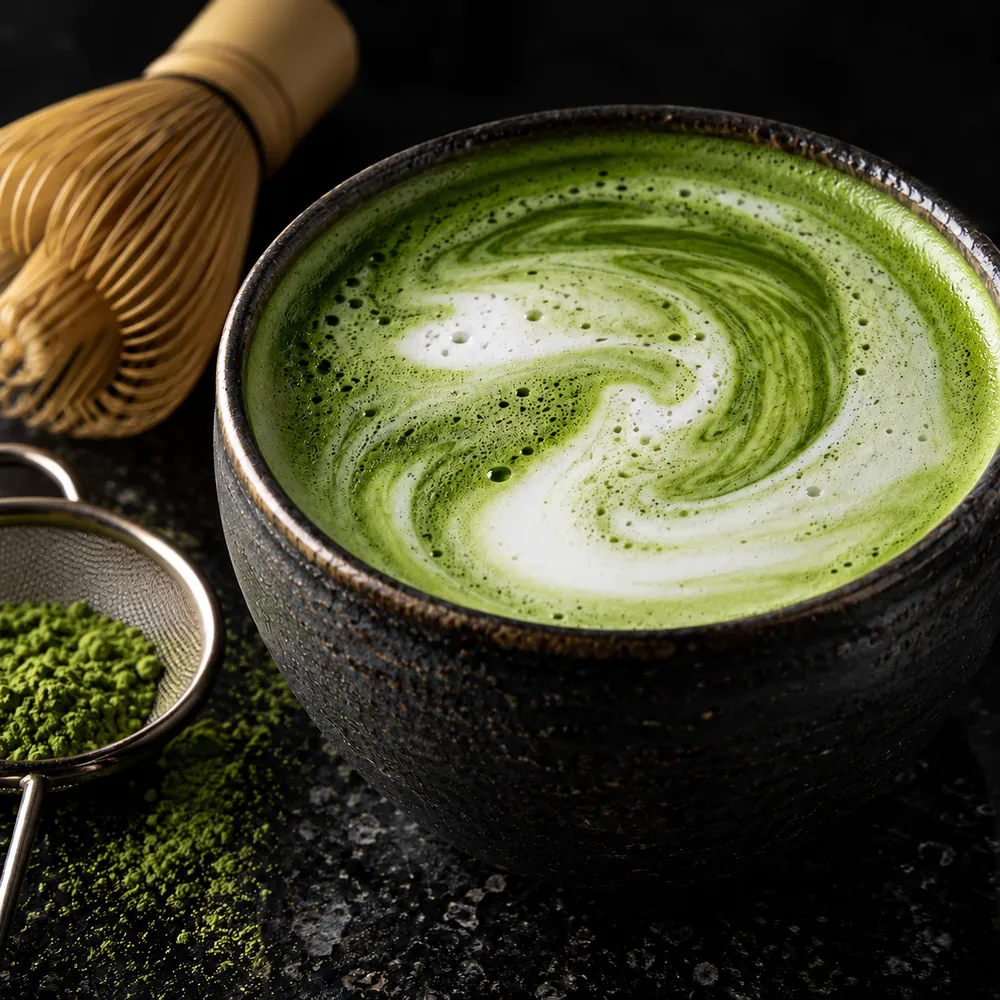
Matcha latte
Ippodo's two latte pages both use 3 g of matcha, 80°C water, and a 15-second whisk. They do not print the same amount of water or milk. The US title calls it a 5-minute recipe.
Fits your plan Two Ippodo cards Recipe by Ippodo Tea, global site -
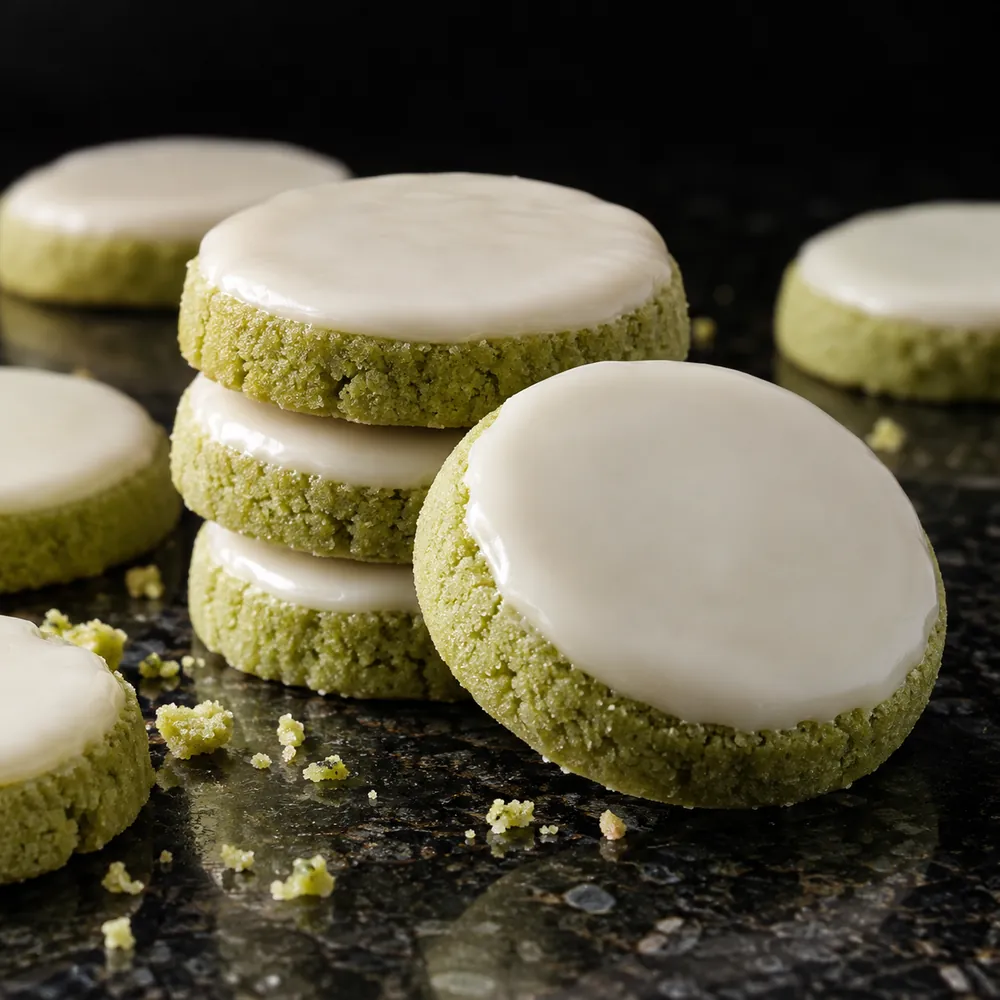
Glazed matcha cookies
Sarah Jampel's card is 3 hours, with a 1 to 2 hour chill until the dough is very firm. Bake 12 to 14 minutes a tray at 325°F, and do not let them brown. The icing needs about 30 minutes to set.
Plan around this Should not brown Recipe by Sarah Jampel, King Arthur Baking -
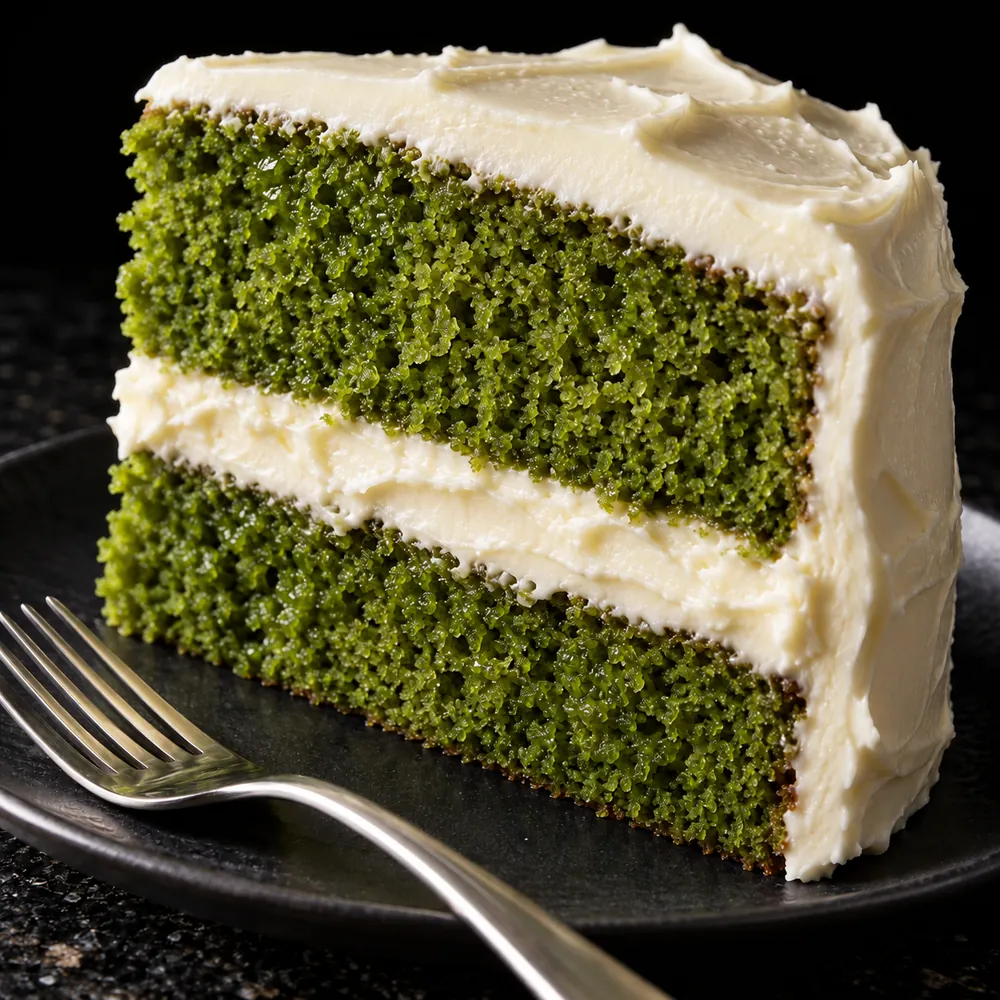
Matcha layer cake
Erin Dooner's card is 1 hour 13 minutes. The method then cools the two layers completely, about 2 hours, before the frosting. She bakes at 325°F and uses ceremonial matcha.
Plan around this Read past the card total Recipe by Erin Dooner, Texanerin Baking -
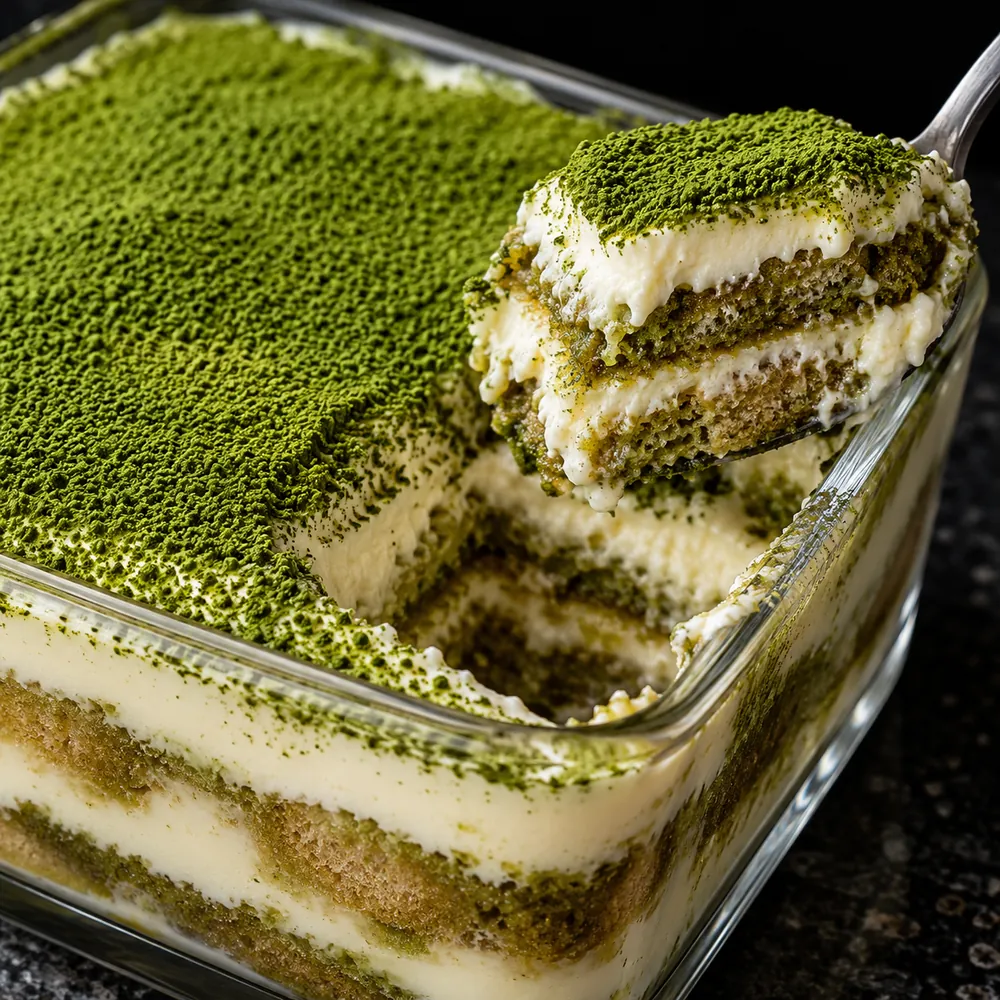
Matcha tiramisu
Namiko Hirasawa Chen's card total is 1 hour. A separate line says chill at least 4 hours, preferably overnight. She calls it a dessert for the day before, and she describes the texture by the next day.
Risky for this plan She wants the day before Recipe by Namiko Hirasawa Chen, Just One Cookbook
Matcha latte
Fits your planTwo Ippodo cardsFrom Ippodo Tea's Matcha Latte on the global site, which has no date, and How to Make a Matcha Latte on the US shop. The US recipe data says published March 7, 2023, and modified October 21, 2026.
- Matcha
- 3 g
- Water
- 90 ml or 100 mL
- Heat
- 80°C
- Whisk
- 15 seconds
Neither latte page is a bake. The global page says to sift 3 g of matcha, which it also calls 3 heaped tea ladles, use 90 ml of hot water at 80°C, whisk vigorously for 15 seconds, then add milk or soy milk and stir. It says to adjust the milk to your preference. It does not give the milk a number, and it does not say how to get the water to 80°C.
The US shop page prints a different card for the same 3 g and the same 15-second whisk. Sift 3 g, which that page calls 2 heaping tea ladles or 1.5 level teaspoons. Add 100 mL of water at 80°C (176°F). The step says to pour boiling water into a teacup to cool it to 80°C, then pour it into the tea bowl. Whisk vigorously for 15 seconds in an "M" shape. Add 100 mL of warm or foamed milk. The visible heading is "Matcha Latte." The browser title calls it a 5-minute recipe, and the meta description says "Ready in five minutes." The steps themselves do not add those minutes up. The only timed action they print is the 15-second whisk.
The US Wakaki product page, a separate Ippodo page, prints the latte serving as 3 g (1.5 tsp.), which matches the US recipe's teaspoon line and not the global page's "3 heaped tea ladles." We did not weigh a ladle.
For this plan
Our reading: tonight fits either card. They are both a sift, a whisk, and milk. Use the water and the milk from one page. The 5-minute label is the US title, not a time we took.
Glazed matcha cookies
Plan around thisShould not brownFrom Glazed Matcha Cookies by Sarah Jampel, King Arthur Baking. Updated August 10, 2026.
- Hands-on
- 45 min
- Chill
- 1–2 hours
- Bake
- 12–14 min a tray
- Card total
- 3 hours
Sarah Jampel's King Arthur card lists 45 minutes hands-on, a bake of 12 to 14 minutes, and a total of 3 hours, for about 2 dozen cookies, 3 1/2 inches. The page says updated August 10, 2026. An editor's note says the recipe was updated in December 2025 after home-baker feedback. The byline says employee-owner from 2022–2026.
The method refrigerates the rolled dough until very firm, 1 to 2 hours, then lets it soften at room temperature until it can be cut, 10 to 20 minutes. Bake one tray at a time at 325°F until slightly puffed, set on top, and just beginning to color at the bottom edge. “The cookies should not brown.” Cool them completely on the sheet. The icing is confectioners' sugar, corn syrup or honey, and milk, and it needs about 30 minutes to set. She does not say how many trays the 2 dozen take, so the 12 to 14 minutes is the time for one tray.
The page does not say whether the 3-hour total already includes the chill, the softening, and the icing. A tip from the bakers, separate from the method, is the grade line: “Compared to culinary-grade matcha, the more expensive ceremonial-grade matcha will give your cookies a more vibrant green hue.” She also says to sift the confectioners' sugar and the matcha together. Storage: airtight at room temperature for several days, and freeze them, preferably undecorated, for longer. "Several days" is not a number on the page.
For this plan
Our reading: tonight can fit if you start with the chill, not if you start when people sit down. The tops are dipped or spread with icing, so the green she is talking about is the cookie around that white coat. We have not baked a tray to see how much green shows.
Matcha layer cake
Plan around thisRead past the card totalFrom Matcha Cake Recipe by Erin Dooner, Texanerin Baking. Published December 7, 2022; updated February 21, 2026.
- Card total
- 1 hr 13 min
- Bake
- 35–40 min
- Cool
- About 2 hours
- Oven
- 325°F
Erin Dooner's card lists 30 minutes prep, 43 minutes cook, and 1 hour 13 minutes total, for 16 slices. The method preheats to 325°F (162°C) and bakes two 8-inch layers for 35 to 40 minutes, until a toothpick comes out clean and the edges pull from the pan. Then: cool completely on a rack, “which takes about 2 hours.” Thirty plus 43 is 73 minutes, which matches the card total. The 2-hour cool does not fit inside it. The card's 43-minute cook time and the method's 35 to 40 minutes are both printed. We did not decide which one the card is counting.
Frosting can happen as soon as the layers are cool. If you have time, she says an uncovered rest in the fridge or freezer, 30 minutes and up to 2 hours, makes the layers sturdier before you frost the sides. A crumb coat, then 20 minutes of chilling, is the path she calls best-looking. She also says you can frost right away. Dust matcha, if you use it, right before serving. She does not say what happens to the color if you dust early. Frosted leftovers go in the refrigerator for up to 3 days. Unfrosted layers can sit at room temperature for up to 2 days, wrapped.
On the matcha, she writes: “For baking, I exclusively use ceremonial-grade matcha.” She says culinary matcha is greenish brown, and that the green in her photos requires ceremonial. She also writes that baking bloggers often recommend ceremonial matcha, while matcha companies seem to recommend culinary and to call ceremonial too delicate and expensive to bake with. She does not name those companies. The companies we opened are below, and they do not use her sentences.
For this plan
Our reading: tonight fits if the 2-hour cool is already in the afternoon. The 1 hour 13 minute card is the prep and the cook line, not a frosted cake. The extra fridge time is optional on her page. The cool is not.
She writes that the cake is adapted from King Arthur Flour's Classic Birthday Cake. We did not open that page. In a comment under the recipe, she says the recipe makes 12 slices from the two 8-inch pans. The card says 16. In another comment she says she has not tried freezing this frosting and would not recommend it, and that unfrosted layers can be thawed on the counter in about 2 to 3 hours. The card's storage lines are the refrigerator and the room-temperature wrap, not the freezer.
Matcha tiramisu
Risky for this planShe wants the day beforeFrom Matcha Tiramisu by Namiko Hirasawa Chen, Just One Cookbook. Published June 28, 2026.
- Card total
- 1 hour
- Prep
- 50 min
- Cook
- 10 min
- Chill
- At least 4 hours
Namiko Hirasawa Chen's card, published June 28, 2026, lists 50 minutes prep, 10 minutes cook, and a total of 1 hour, for one 8×8-inch dish. Chilling time is a separate line: 4 hours. Fifty plus 10 is 60 minutes. The 4-hour chill is not inside that hour. The note at the start of the method says the recipe requires a chilling time of 4 hours, preferably overnight. Her make-ahead answer: “The tiramisu needs at least 4 hours to chill, and overnight is even better.” The headnote calls it “perfect to make the day before serving.” In the essay she writes that by the next day each bite turns tender and fluffy, almost like sponge cake.
She calls it a no-bake dessert. The card still lists those 10 minutes of cooking, for the egg yolks. Her FAQ says she cooks the yolks to 160°F (71°C) over a double boiler, “which pasteurizes them.” The tip says to pull the bowl at 160°F (71°C), because past that it starts to scramble. The equipment list is an instant-read thermometer and an electric hand mixer. She says hand whisking left her arms aching. The ingredient line for the soaking water prints 175ºF/80ºC. That is her water, not a latte.
Matcha, in her ingredients: “Ceremonial grade gives the most vibrant color; a higher-quality culinary grade works too.” Her tip says old or low-grade matcha turns yellow-green and tastes bitter. The FAQ says cheap matcha looks dull and tastes bitter, and that matcha fades quickly, so buy a small amount and use it within a few weeks of opening. Dust through a fine-mesh sieve just before serving. “Matcha absorbs moisture quickly. Added too early, it dulls in color and loses its visual impact.” Overmixing the mascarpone cream, she writes, turns the texture grainy. If the whipped-cream tip stands straight, she says you have gone too far. Leftovers keep in an airtight container in the refrigerator for up to 3 days. She does not recommend freezing it. Marsala is in the recipe; a variation says you can leave the alcohol out.
For this plan
Our reading: against “serve tonight” with nothing started, this is the page that points at yesterday. Her own minimum is still 4 hours, so a long afternoon can land on tonight. Overnight is the chill she recommends, and the texture she describes is the next day. If the dish is already chilled, tonight is what she wrote it for.
The short version
For people eating tonight, Ippodo’s latte is the clock that stays in seconds. The global page and the US shop page both sift 3 g of matcha into 80°C water and whisk for 15 seconds. They do not print the same water or the same milk. Follow one card.
Sarah Jampel’s cookies are a same-day project if the chill starts early. The card says 3 hours. The dough has to go very firm in the refrigerator, and the icing sets for about 30 minutes after the bake. She says the cookies should not brown.
Erin Dooner’s layer cake is the same day only after the layers cool. The card stops at 1 hour 13 minutes. The method then says about 2 hours on a rack before the frosting.
Namiko Hirasawa Chen’s tiramisu is written for the day before. The 1-hour card does not include the chill. She wants at least 4 hours, and overnight is better. She describes the texture by the next day.
Where tonight splits
The latte has no oven and no chill on either Ippodo page. The global card is 90 ml of water and as much milk or soy milk as you like. The US card is 100 mL of water and 100 mL of milk, and it tells you to cool boiling water to 80°C in a teacup before it goes on the matcha. The US title says 5 minutes. The steps say 15 seconds. We did not time a cup.
The cookies and the cake can both be today, and both print a card total that is shorter than the waits in the method. Jampel does not say the 3 hours include a chill of 1 to 2 hours, a soften of 10 to 20 minutes, and about 30 minutes for the icing. Dooner does not say the 1 hour 13 minutes include about 2 hours of cooling. Count those waits on top until the card shows them.
The tiramisu is the split. Chen prints the 4-hour chill next to the card, not inside the 1-hour total, and she says overnight is even better. A long afternoon can still meet the 4-hour minimum. The headnote and the next-day texture are why this plan calls the page risky when nothing is started. She also calls the dessert no-bake while the card lists 10 minutes of cooking for the yolks. That cook is the 160°F (71°C) she names. It is her temperature, on her page. This article does not add another one.
The kit splits with the clock. The latte wants matcha, hot water, a whisk, and milk. The cookies want a home oven, a roll-out dough, and a cutter. The cake wants two 8-inch pans, a mixer, and time for the layers to cool before the cream-cheese frosting. The tiramisu wants mascarpone, ladyfingers, a thermometer, and a hand mixer. Marsala is in her recipe, and she says a variation can leave the alcohol out. Follow one page’s dish, pan, and clock. These four are not interchangeable.
Which tin to buy
The pages do not agree, and they do not even use the same words.
Aiya’s grades chart lists ceremonial matcha under common applications as “Traditional Matcha,” with flavor “Naturally Smooth & Sweet” and color “Vibrant Jade Green.” Culinary matcha is listed as “Food & Beverage,” flavor “Mildly Astringent,” color also “Vibrant Jade Green.” A third grade, nutraceutical, is the one Aiya colors “Green Yellow.” The chart does not say ceremonial matcha cannot go into a cake. It does not mention price. No date is printed on that page.
Ippodo’s Wakaki box does not use the words ceremonial or culinary in the visible heading. The heading is “Wakaki (20g Box).” The tasting notes say its astringency gives matcha lattes a little bite, and that it works well for baked goods given its green color. The FAQ on that page says: for baking and smoothies, they recommend Wakaki; a lower grade is sufficient when you mix matcha with sugar or with other ingredients; Wakaki is also great for drinking straight or in a latte. We are not translating “lower grade” into “culinary.” The page does not.
Erin Dooner says she exclusively uses ceremonial matcha for this cake, that culinary matcha is greenish brown, and that the green in her photos requires ceremonial. She says premium culinary is slightly more bitter than ceremonial, and that it is what she would use if color were not the goal. Aiya’s chart calls culinary matcha vibrant jade green. Those two descriptions of color are not the same sentence, and we have not compared tins.
Sarah Jampel does not tell you which tin to buy. She says ceremonial matcha is more expensive than culinary and gives the cookies a more vibrant green. Namiko Chen says ceremonial gives the tiramisu the most vibrant color, and that a higher-quality culinary grade works too. She is the one who ties a dull, bitter result to old or cheap matcha, and she says to use an opened tin within a few weeks. Ippodo’s Wakaki spec says the best-before date is 180 days from packaging in Japan, and to consume it within about one month of opening for the best experience. A few weeks and about one month are both printed. They are not one rule.
What can go wrong
Each page names its own failures. We have not reproduced them.
On the cake, Dooner says she once skipped beating the eggs and sugar, and the cake was not as airy. She once skipped heating the milk, and that cake was not as airy either. She says she is not sure why the milk step mattered. She says baking powder and baking soda are not interchangeable here. She says coconut flour and almond flour will not work as a stand-in for the flour the recipe uses. She says spreadable cream cheese sold in tubs outside the US does not behave like the brick cream cheese the frosting expects, and that whipping cream is not a silent swap for the heavy cream she measured. Dusting is optional, and it happens right before serving.
On the tiramisu, Chen says yolks past 160°F start to scramble, overmixed mascarpone cream turns grainy, and cream beaten until the tip stands straight has gone too far. Matcha dusted early dulls because it absorbs moisture. She does not recommend freezing the dessert. Leftovers are a refrigerator job, up to 3 days.
On the cookies, Jampel says they should not brown. The dough has to be firm enough to cut, which is why it is chilled and then softened. The grade tip is about color, not about a failed bake. She does not give an internal temperature.
On the latte, the US page tells you to cool boiling water to 80°C before it meets the matcha. It does not say what the cup does if you skip that. The global page does not include the teacup step. Neither page says the drink keeps. It is mixed and drunk.
The films show matcha desserts. They are not a record of these recipes.
“For baking, I exclusively use ceremonial-grade matcha.”
Erin Dooner, Texanerin Baking
“Old or low-grade matcha turns yellow-green and tastes bitter.”
Namiko Hirasawa Chen, Just One Cookbook
“Yes. For baking and smoothies, we recommend Wakaki. It has a beautiful green color, and a lower grade is sufficient when you mix matcha with sugar or with other ingredients.”
Ippodo Tea, US shop
Watch the texture
Related films
Our films are visual inspiration, not demonstrations that a recipe works.
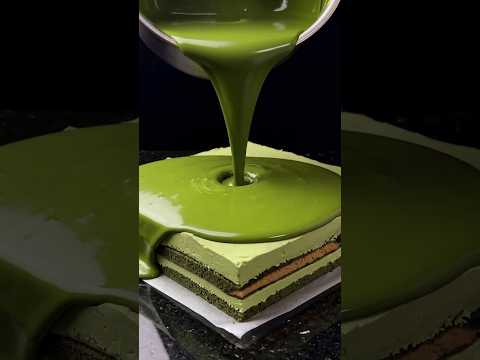
Wait for those matcha layers
Short · Watch on YouTube
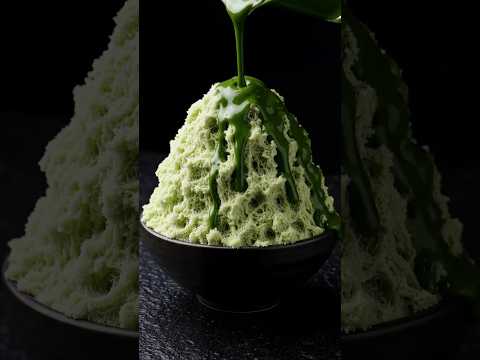
Which matcha treat are you choosing?
Short · Watch on YouTube