

Guides · Steak
Great steak,
decided.
Six choices make a great steak. Pick the cut, read the thickness, salt on time, cook to a number, sear hard and slice the right way. Then let us put it on the clock.
01
Pick the cut for the night you want
Tender and full-flavored rarely come in the same steak. America's Test Kitchen scores each cut out of four on both. Tap a cut to see where it comes from and how to cook it.
-
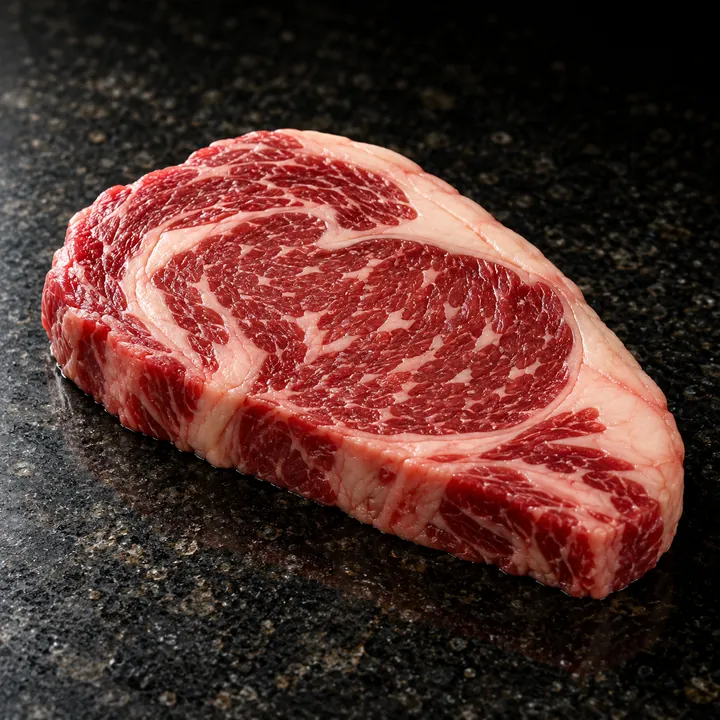
Rib-eye
Splurge- Tender
- ●●●○
- Flavor
- ●●●●
From The rib, just behind the shoulder.
Cook Grill, pan-sear or broil.
Pricey and streaked with fat, which is where its big flavor comes from.
-
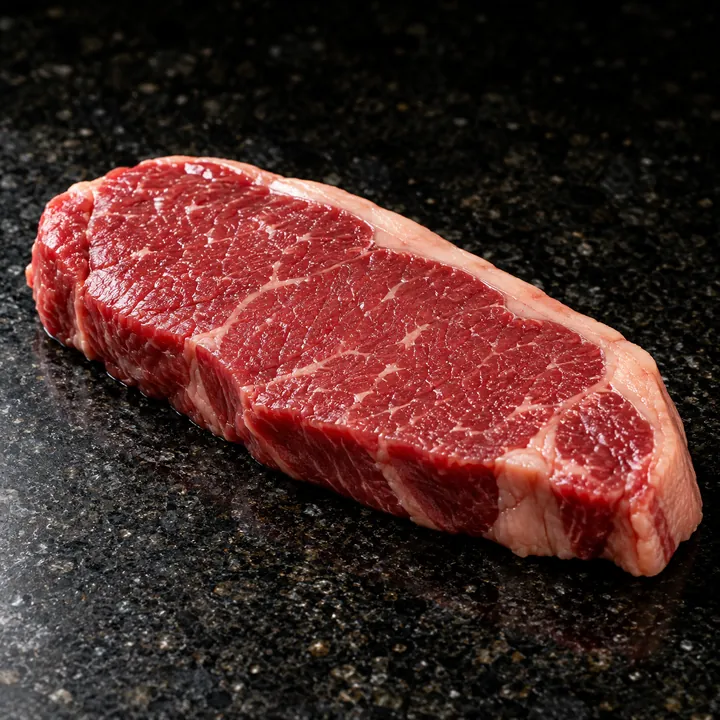
Strip
Mid-price- Tender
- ●●●○
- Flavor
- ●●●●
From The middle of the back.
Cook Grill, pan-sear or broil.
Rated as highly as rib-eye for flavor, at a slightly gentler price.
-
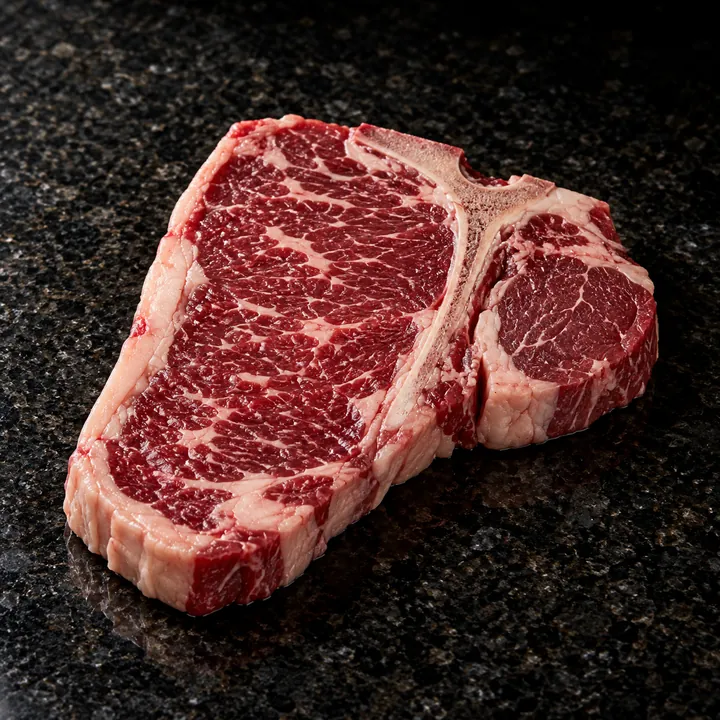
T-bone
- Tender
- ●●●○
- Flavor
- ●●●●
From A strip and a small piece of tenderloin, either side of the bone.
Cook Grill or pan-sear.
The tenderloin side cooks faster. On a grill, keep it toward the cooler side.
-
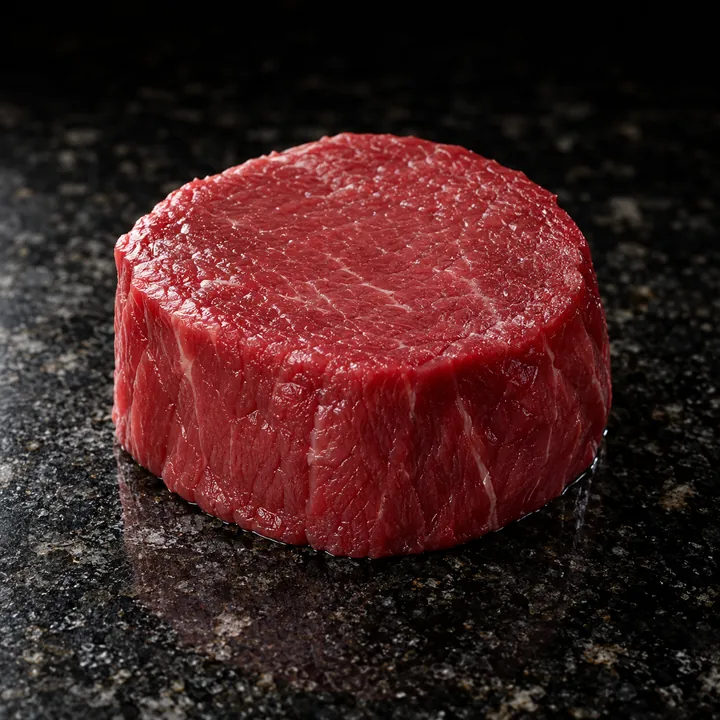
Tenderloin
Splurge- Tender
- ●●●●
- Flavor
- ●○○○
From The center of the back.
Cook Grill, pan-sear or broil.
The most tender and most expensive cut, and the mildest in flavor.
-
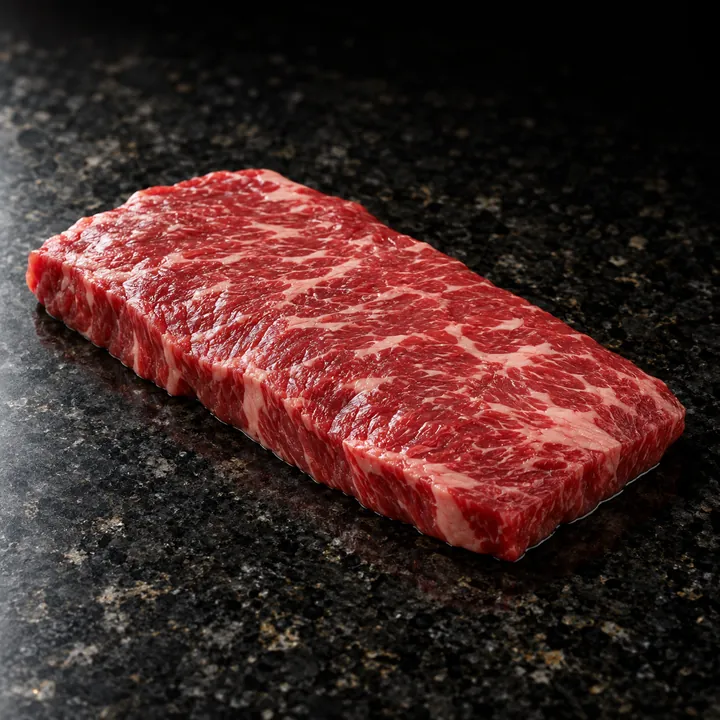
Flat-iron
Value- Tender
- ●●●○
- Flavor
- ●●●○
From The shoulder, with the gristle removed.
Cook Grill, pan-sear, or slice thin for a stir-fry.
Inexpensive, but most go to restaurants, so it can be hard to find.
-
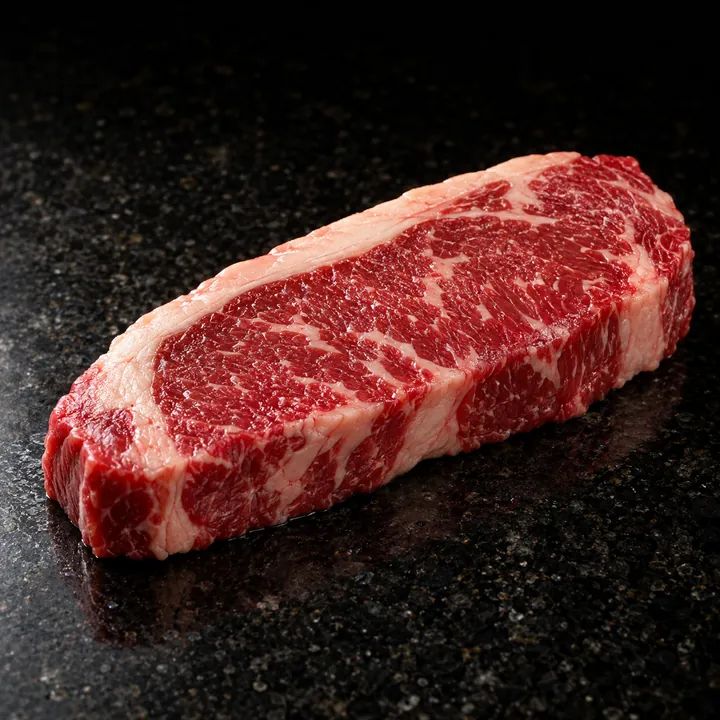
Top sirloin
Value- Tender
- ●●○○
- Flavor
- ●●○○
From The hip.
Cook Grill or pan-sear.
A large, inexpensive steak. Slice it thinly against the grain.
-
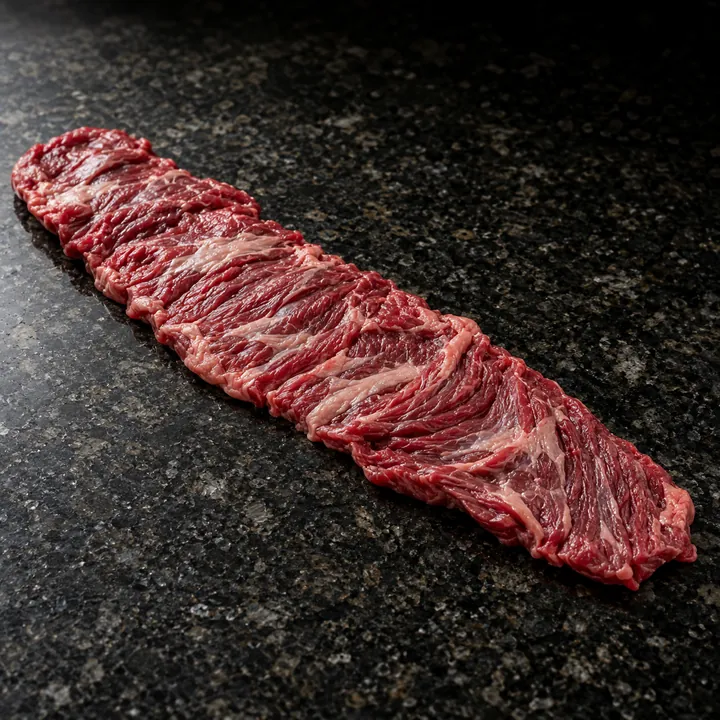
Skirt
- Tender
- ●●○○
- Flavor
- ●●●○
From The underside, or plate.
Cook Hot and fast: grill or pan-sear.
Thin, loose-grained and rich. Its fibers need to reach about 130°F to turn tender, and it should always be sliced against the grain.
-
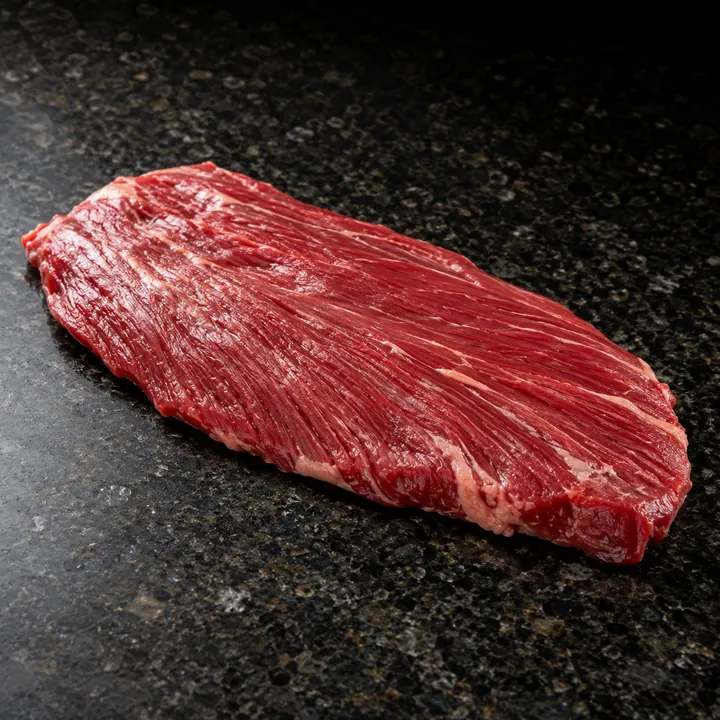
Flank
- Tender
- ●●○○
- Flavor
- ●●●○
From The underside of the cow.
Cook Sear, grill, or slice thin for a stir-fry.
Beefy, lean and coarse-grained. Keep it between medium-rare and just past medium (135°F), and slice it against the grain.
02
Its thickness picks the method
Measure the steak, not the package. At 1.5 inches and up, Kenji López-Alt's reverse sear is the move. Thinner than that, it cooks through too fast in the oven, so go straight to a hot pan.
His serving tip: one thick two-inch steak feeds two people.
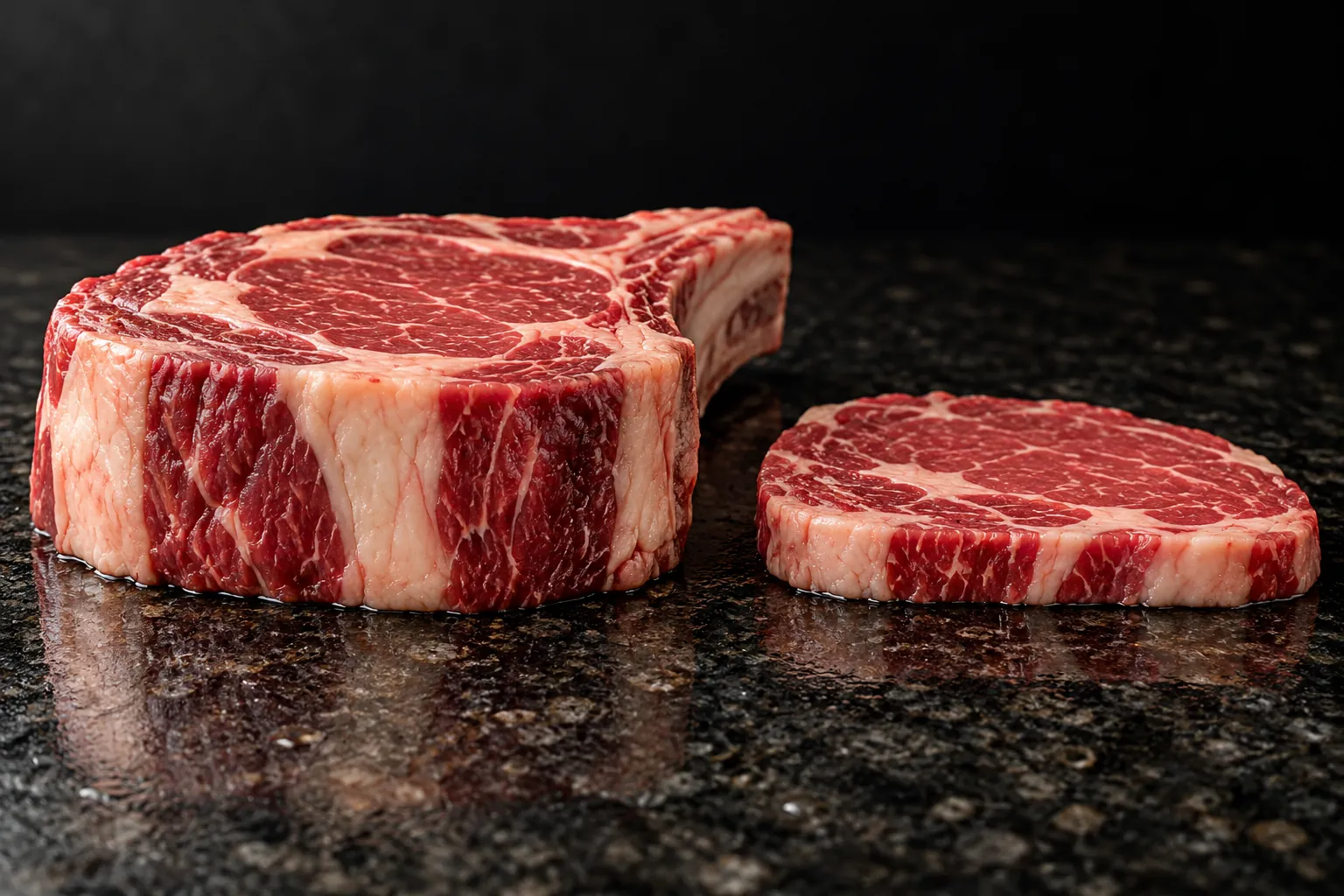
1.5 inches or thicker
Reverse sear
- Low oven, 200–275°F (93–135°C), steak on a rack.
- Pull it 10–15°F short of where you want it.
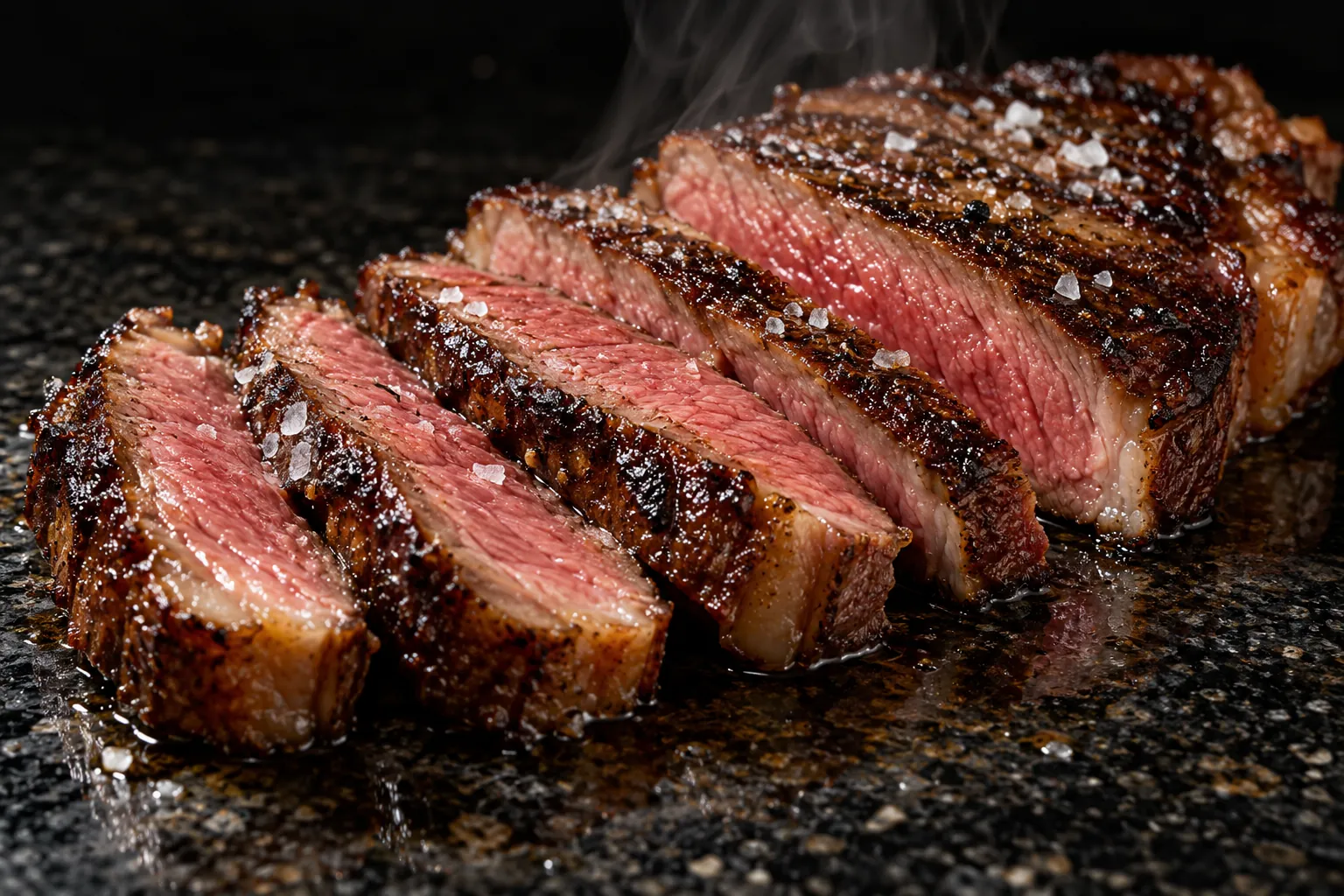
- Sear hard in a smoking pan for the crust.
Why it works: the slow start dries the surface so it browns fast, and leaves almost no gray band.
Thinner than 1.5 inches
Hot pan, flip often
- Heavy pan, hot oil.
- Flip often, even every 15 seconds or so.
- Baste with foaming butter near the end.
Why it works: frequent flips cook the steak more evenly, build a good crust and can cut the cooking time by up to a third.
03
Salt early, or salt right before
Salt pulls juice to the surface, dissolves in it and, given time, the brine soaks back in and seasons the meat. Use kosher salt and season every side, edges included.
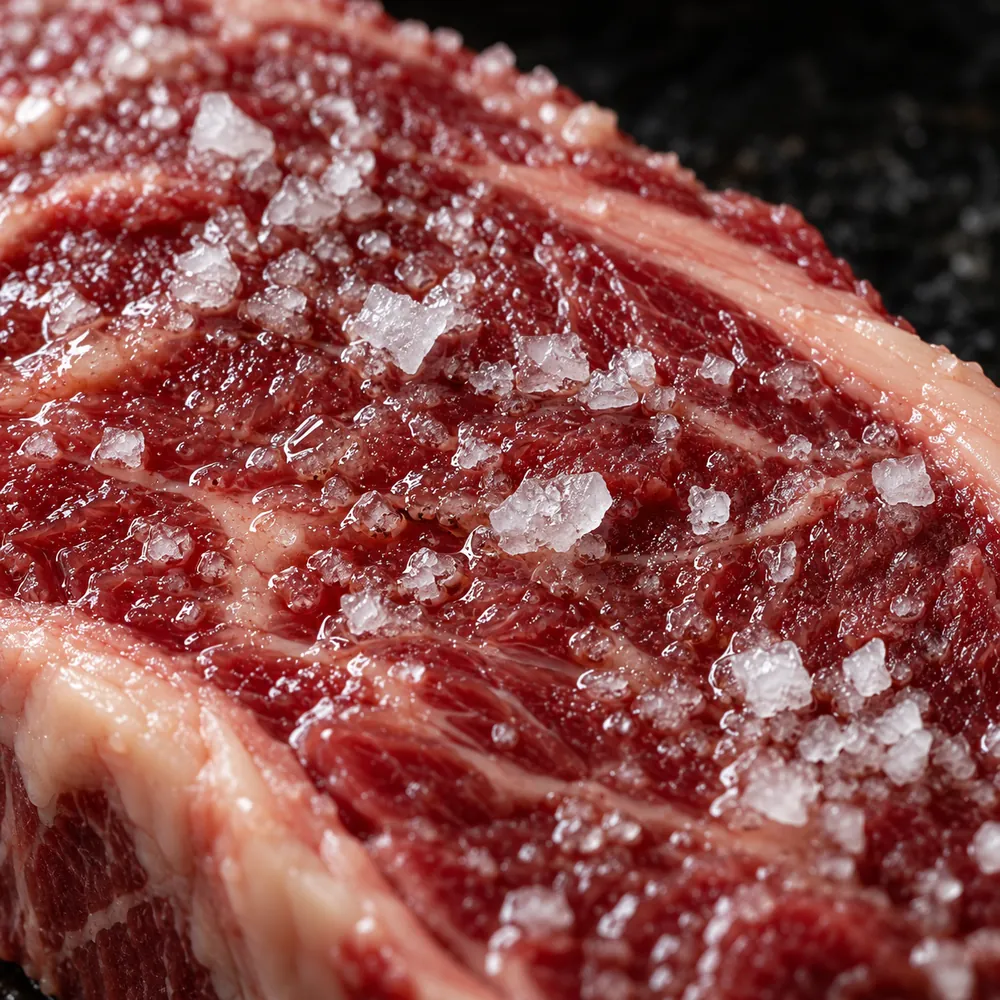
Fine
Right before it hits the pan
The salt is still sitting on a dry surface. You won't ruin anything.
Wait longer
In between
Juice has beaded up on the surface and hasn't gone back in yet, and a wet surface browns poorly. Give it the full 40 minutes, or cook it now.
Best
At least 40 minutes ahead
The brine has been reabsorbed. Leave it 45 minutes at room temperature, or loosely covered in the fridge for up to three days.
04
Cook to a number, not a clock
A good instant-read thermometer is the one essential. Choose how you like it to see when to pull the steak from the oven, before the sear carries it the rest of the way.
Reverse sear: almost no overcooked gray band under the crust.
Colors are illustrative, not a way to judge doneness. Use the thermometer.
Medium-rare
Pull at 115°F 46°C
- Rarepull at 105°F (41°C)
- Medium-rarepull at 115°F (46°C)
- Mediumpull at 125°F (52°C)
- Medium-wellpull at 135°F (57°C)
In the oven at 200–275°F, expect about 20 minutes for rare and up to about 40 for medium-well. Times vary a lot, so start checking early.
The official line. FoodSafety.gov lists 145°F (63°C) and a 3-minute rest as the safe minimum for beef steaks. The pull temperatures above are culinary targets, and all of them sit below that line. Read the chart
05
Forty-five seconds a side
For a reverse-seared steak, heat a tablespoon of oil in cast iron, carbon steel or heavy stainless steel until it smokes. Add the steak and a knob of butter and sear each side until well browned, about 45 seconds. He serves it straight away.
Pan-searing a thinner steak instead? Kenji rests his 5 to 10 minutes.
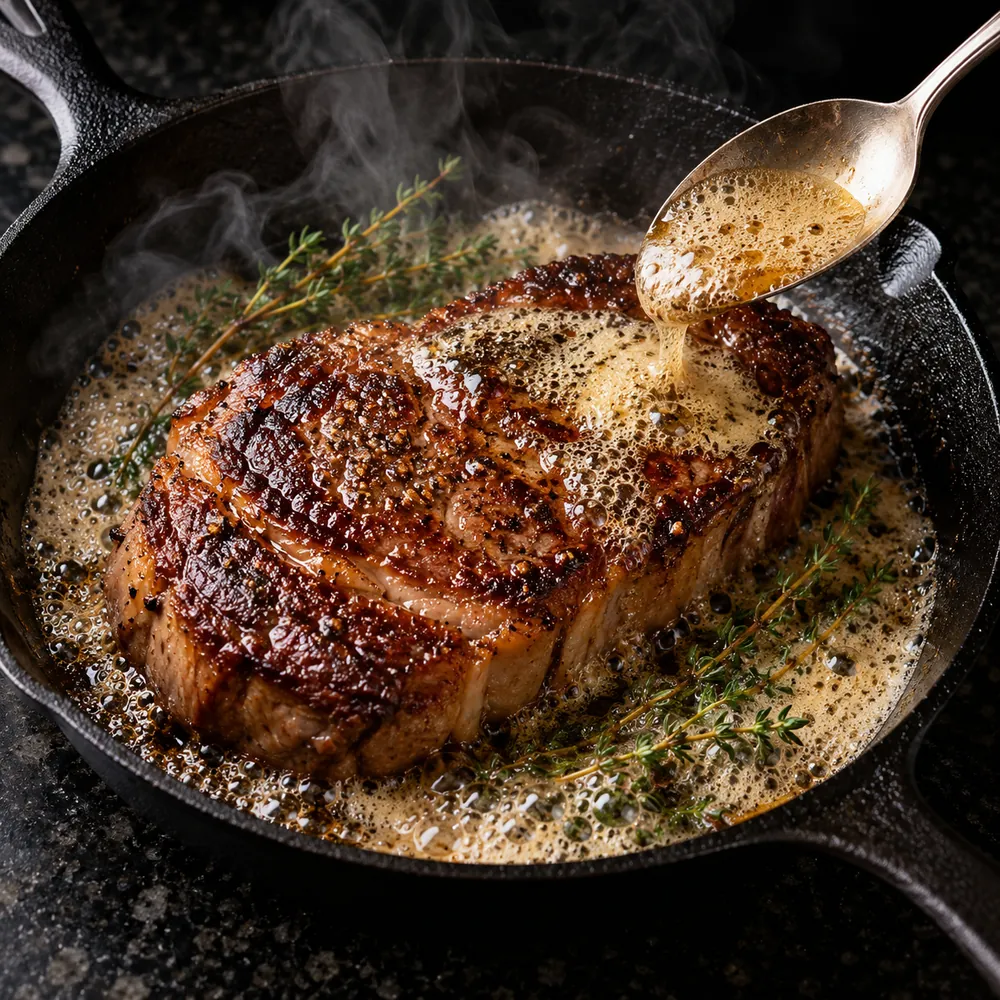
0:45
Pan smoking? Steak in, butter in.
06
Slice across the grain
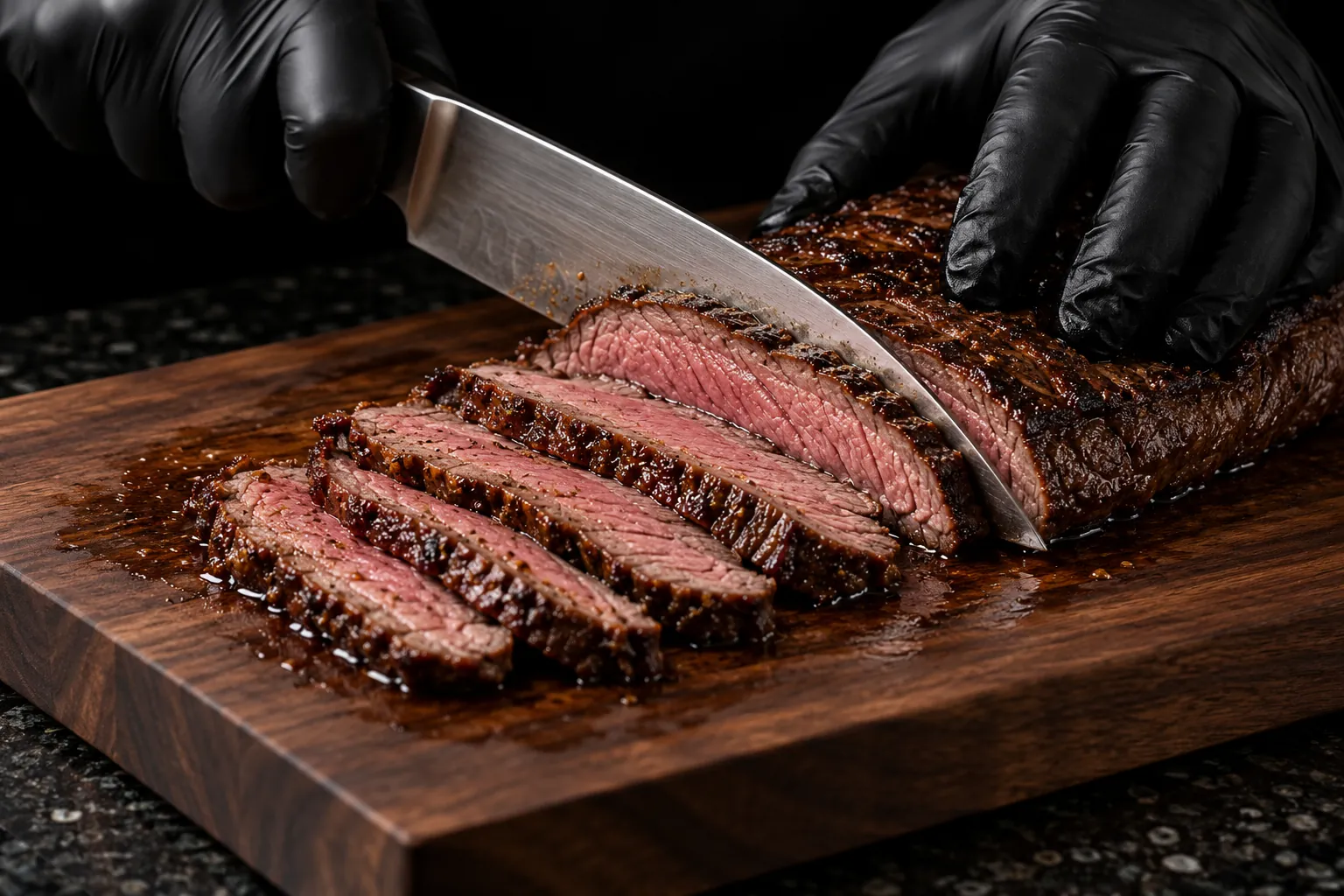
The grain is the direction the muscle fibers run. Cut across it and every slice is made of short fibers. In America's Test Kitchen's test, flank steak cut against the grain took less than a quarter of the force to bite into.
Force needed to bite 5 mm into flank steak slices.
Your steak
Put it on the clock
Your choices above, as a plan worked back from dinner. Cooking times are the source's ranges. The extra margins are ours, so you're never rushing.
- Cut
- Rib-eye
- Thickness
- 1¾ in
- Method
- Reverse sear
- Doneness
- Medium-rare, pull at 115°F
- Salt it
At least 40 minutes before cooking, or the night before.
- Heat the oven to 200–275°F
Steak on a rack over a rimmed baking sheet.
- Steak in
About 20 to 40 minutes. Start checking the temperature early.
- Sear
Smoking-hot pan, oil, then butter. About 45 seconds a side.
- Slice across the grain and serve
Kenji serves a reverse-seared steak right away.